Bingsu’s Bakery at dusk in the rain: a little green shop between brick buildings, its window glowing and a striped awning and Bingsu the cat kneading dough inside.

Labs · A cosy focus game

Bingsu’s Bakery

A cosy focus game where a cat bakes while you work. Focus and Bingsu bakes; wander off and things go gently wrong; come back and all is forgiven.

RoleProduct designer and maker
Built withClaude Code, ChatGPT image generation, Cloudflare Workers
PlatformsWeb (desktop and phone), Windows tray app, Mac tracker, browser extension

01

The problem

Focus tools treat attention like a test.

Every focus tool I tried had timers, streak counters and red warnings when you slip. They worked for a week, then started to feel like a supervisor. I wanted the opposite: something that makes focus feel good, rather than one that punishes distraction.

The brief I gave myself

A little character on a screen beside me that does its job while I’m doing mine, and visibly reacts when I wander off.

The first sketch was a creature on a Raspberry Pi tied to RescueTime. That framing didn’t land, so I moved toward something closer to Stardew Valley: a warm little world with a routine, small rewards and characters to care about.

The character became Bingsu, a chubby cat baker.

Pi + RescueTimeStardew ValleyBingsu

02

The core loop

Focus, slip, come back.

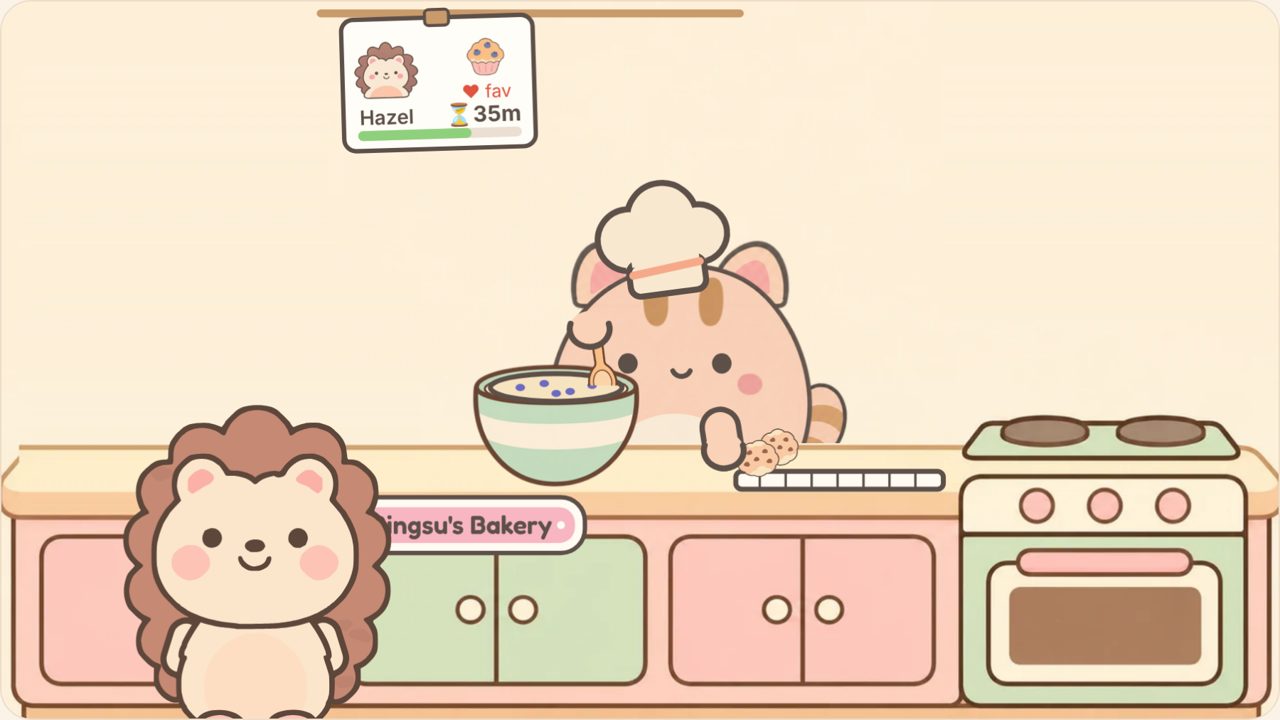
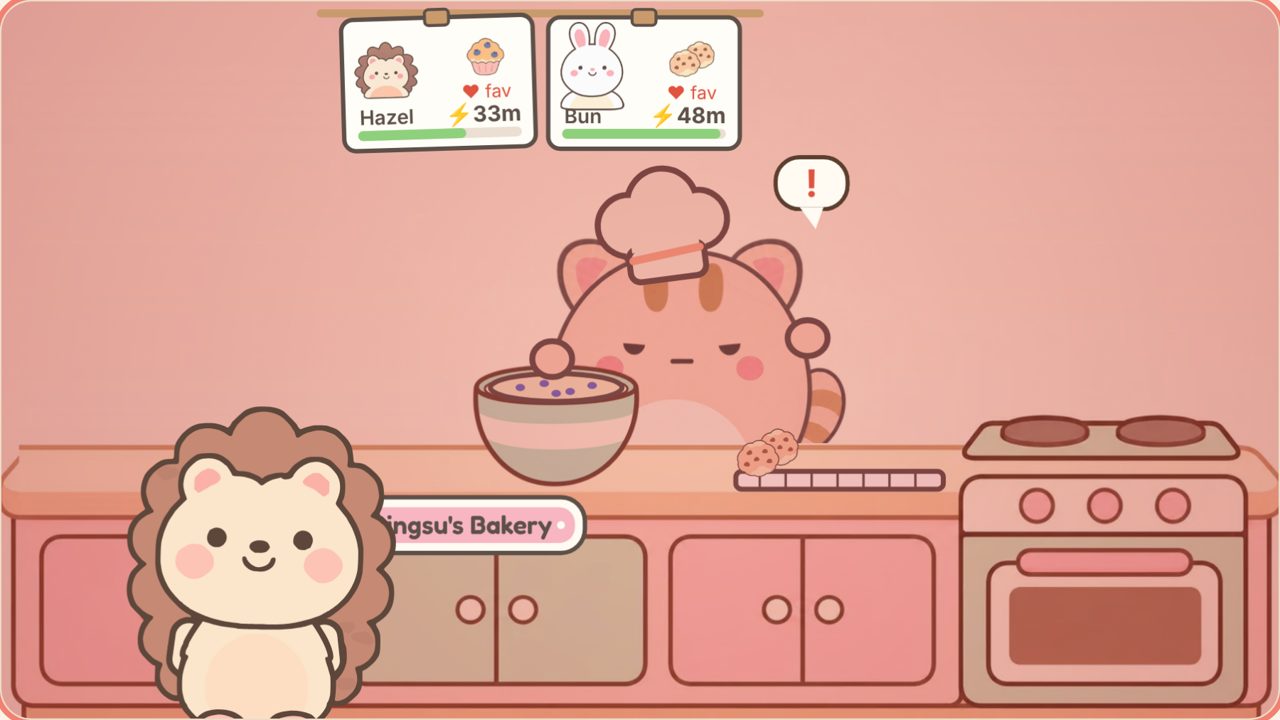
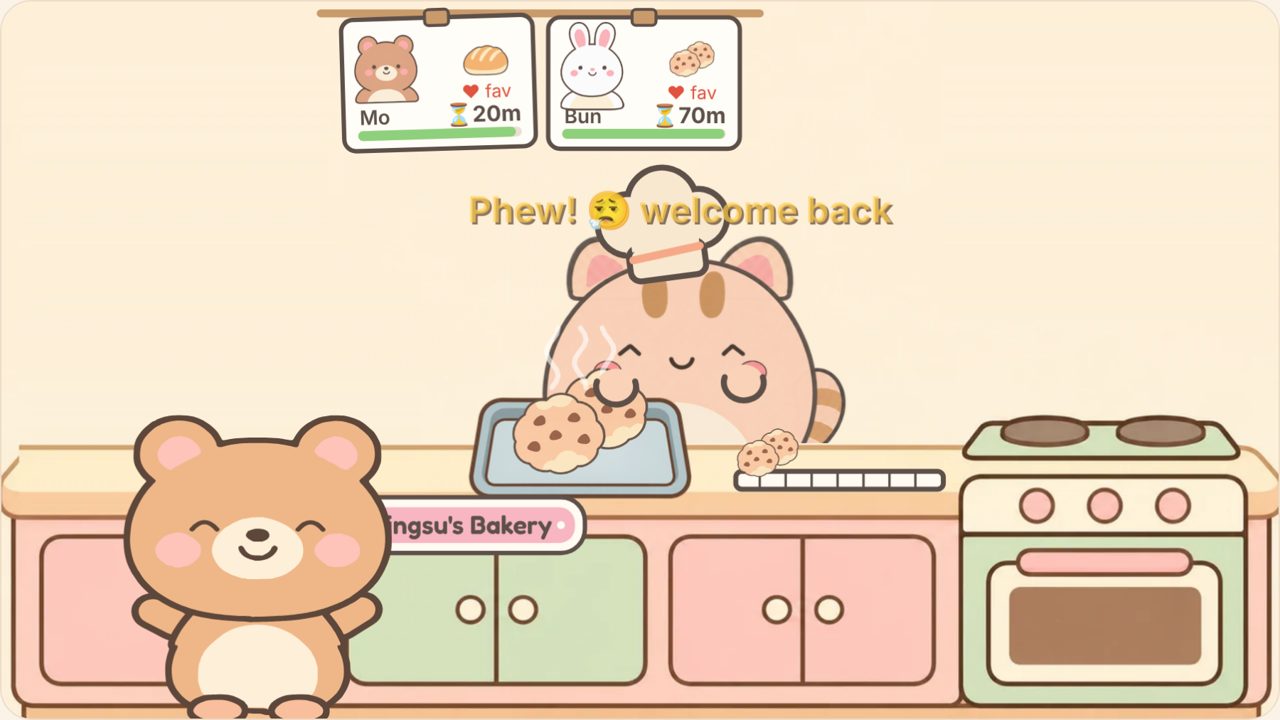
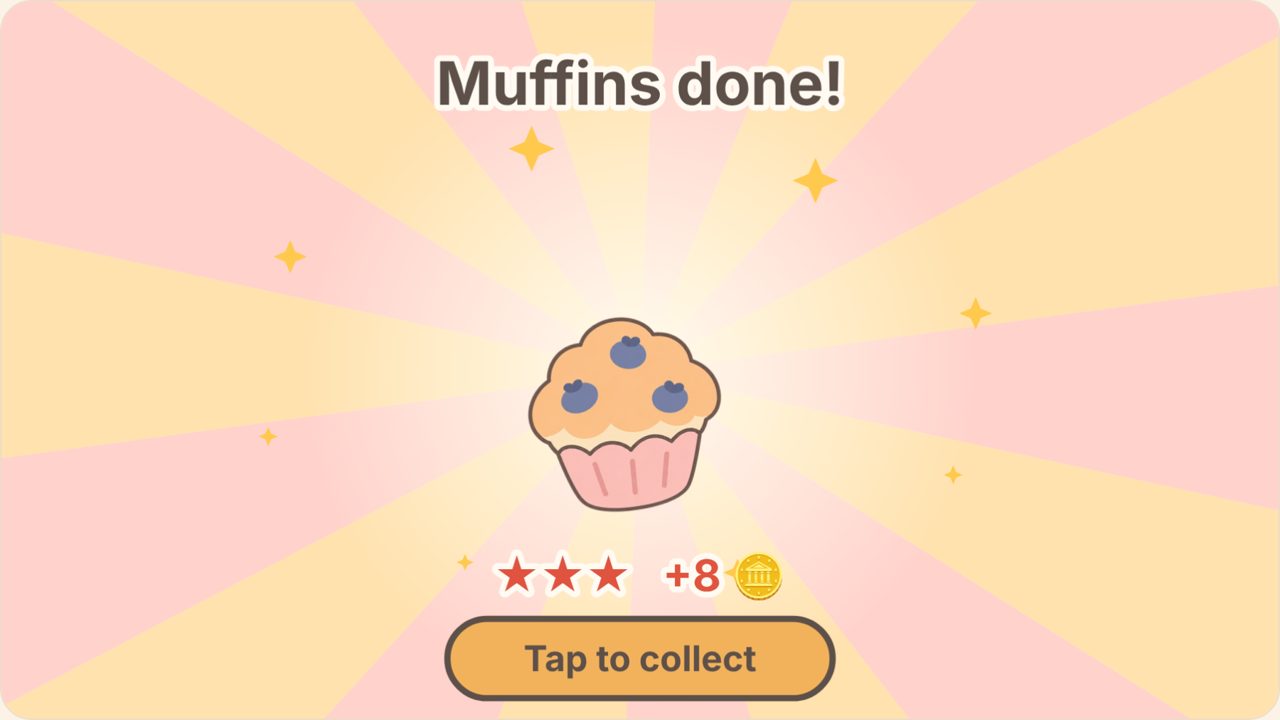
Three states, one little kitchen. Pick one to see how Bingsu reacts. Each recipe takes real focused time: cookies take 15 minutes, croissants two hours.

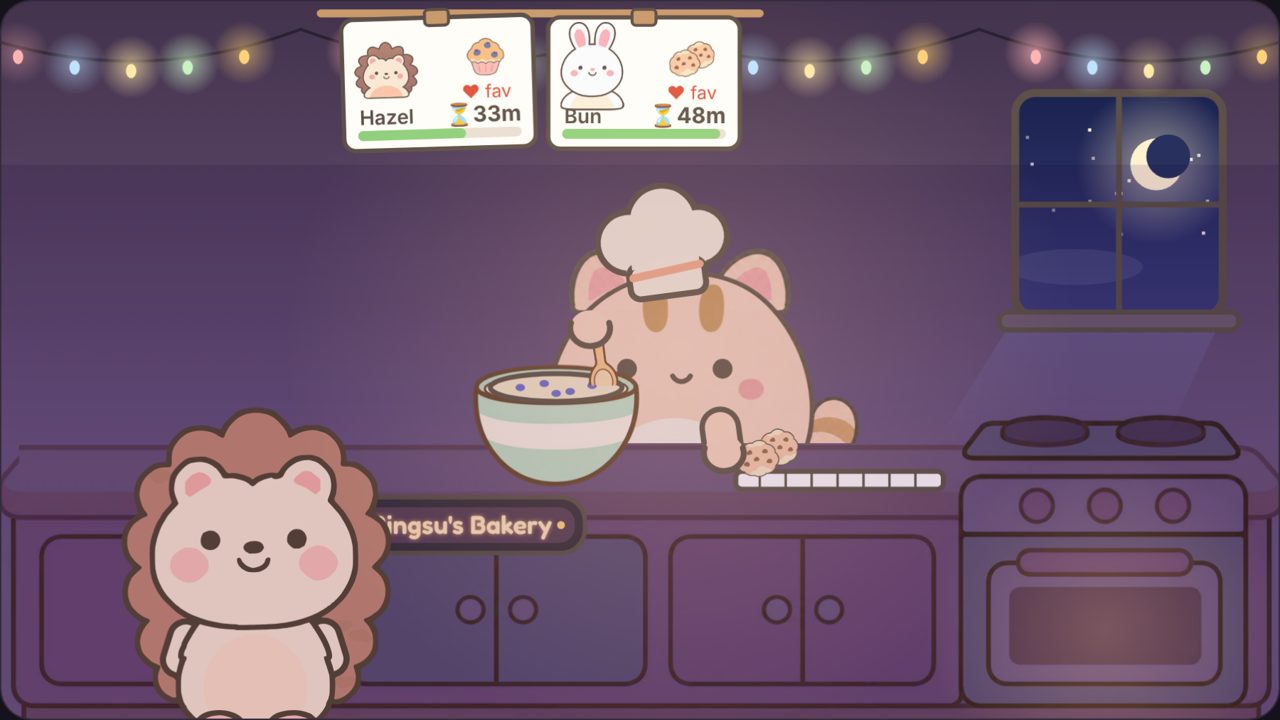
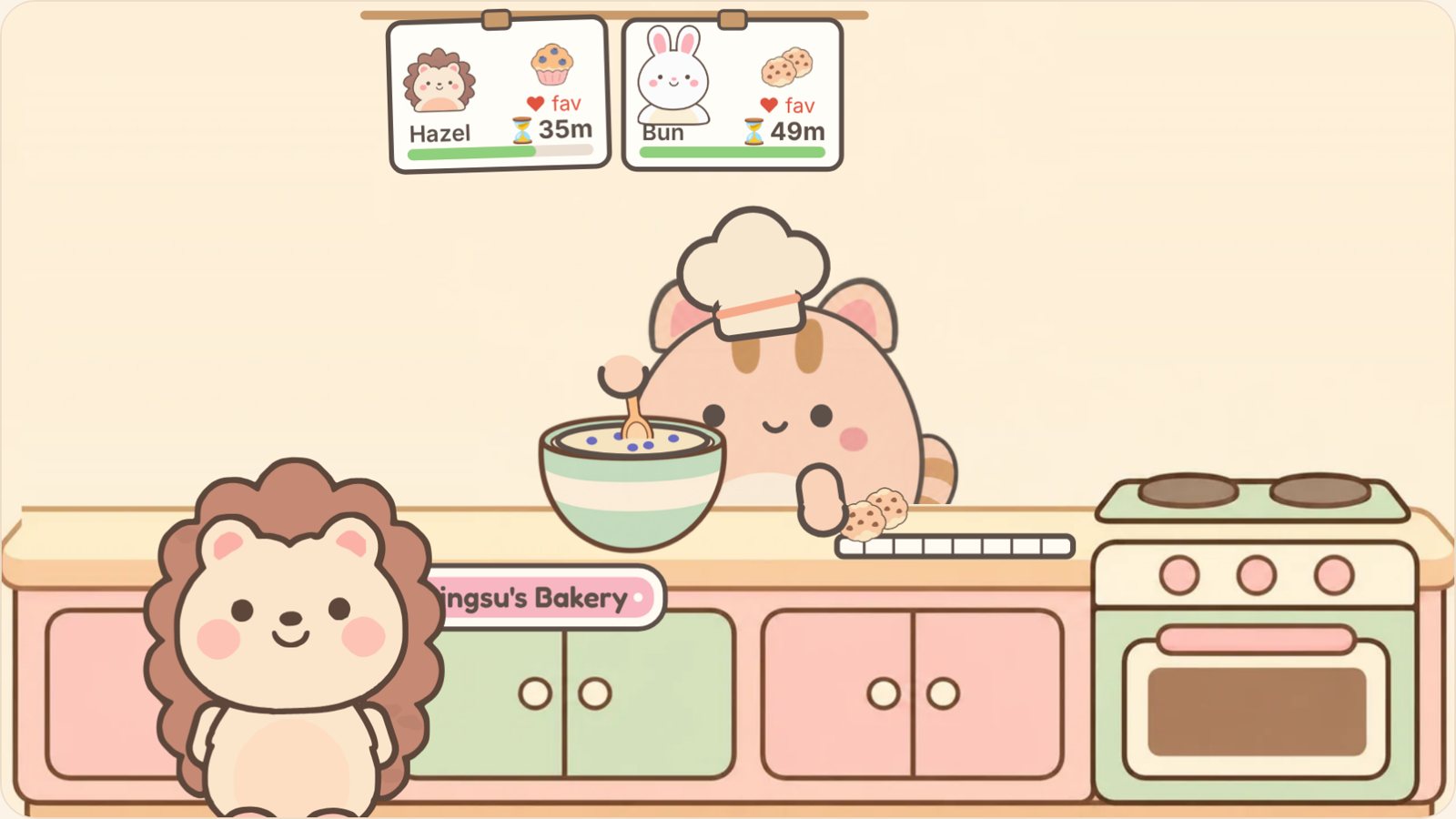
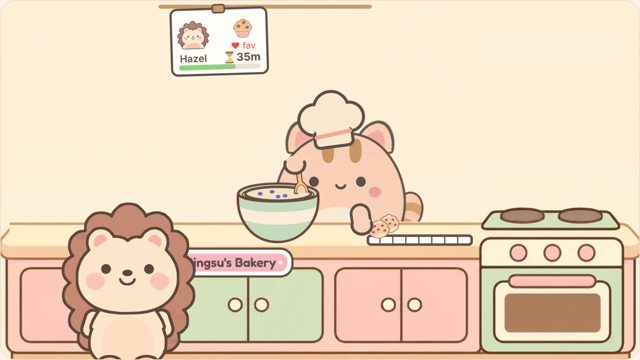
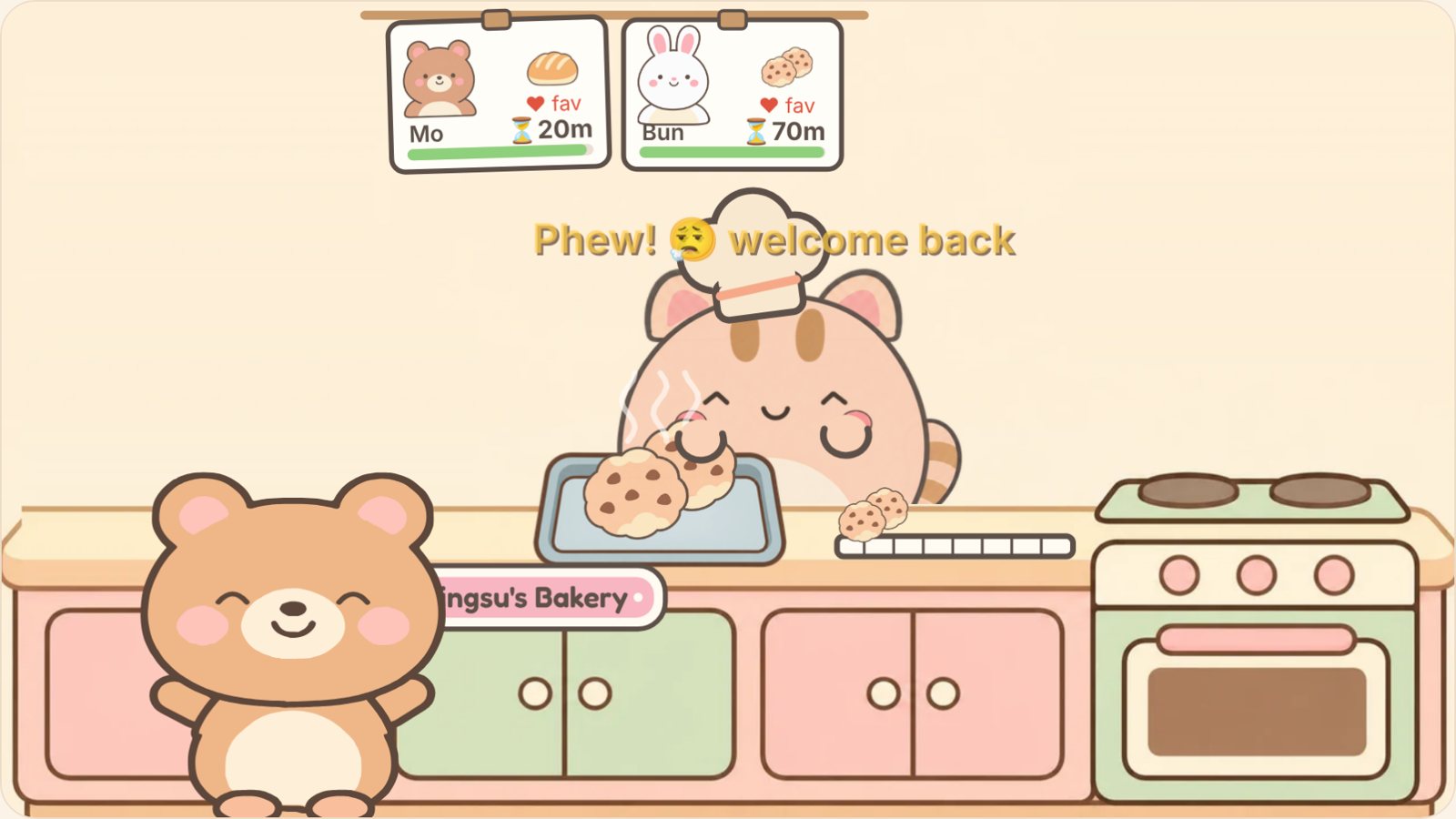
Bingsu stirring a bowl of batter while Hazel the hedgehog waits at the counter. The kitchen tinted red: Bingsu has stopped stirring and stares out with an exclamation mark, customers waiting. “Phew! welcome back” over the kitchen; Bingsu holds a tray of cookies and Mo the bear cheers. A full-screen celebration: “Muffins done!”, three stars, +8 coins and a Tap to collect button. ● Focused
The ethos

Focus makes the bakery come alive; rest is shared with friends; nothing is ever taken away.

Early versions just let a bake fail. Testing showed the opposite of what I wanted: one bad moment made me close the app. So I set an ethos for the project and checked every later feature against it.

03

Giving people a reason to care

Customers, and focus as the clock.

The bakery was pleasant but low-stakes. Taking cues from RollerCoaster Tycoon, I added customers. Each has a favourite bake, a little personality and their own stories.

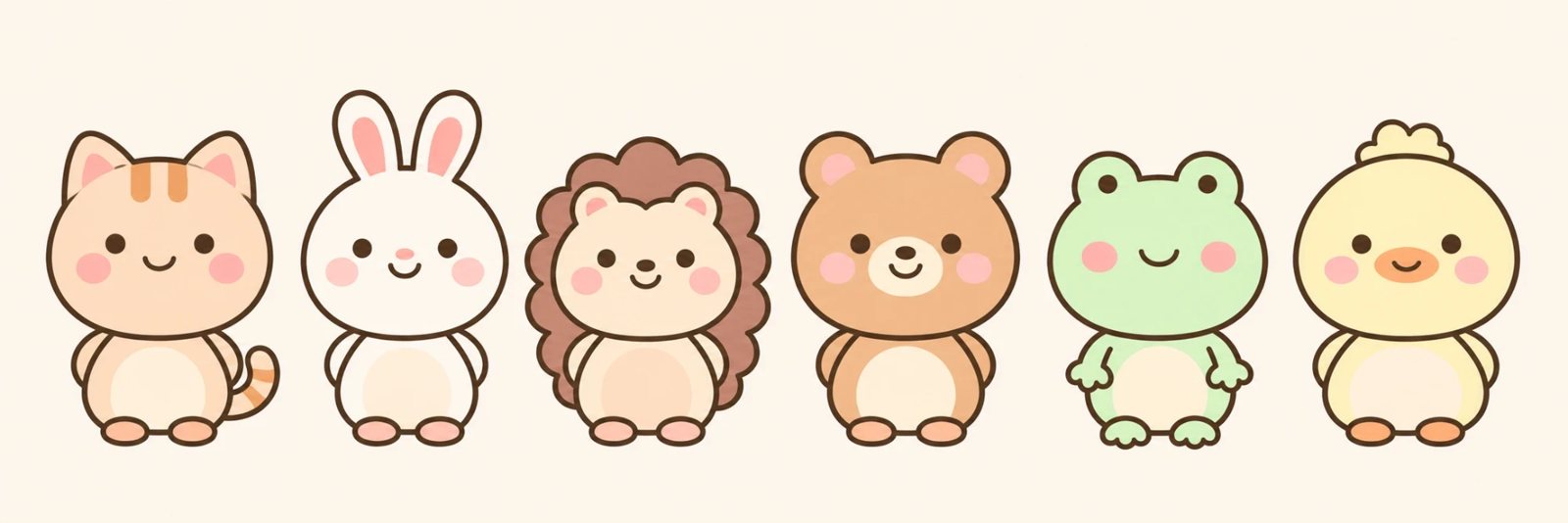
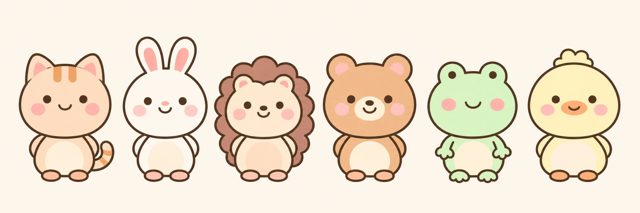
Six round, pastel characters in a row: a cat, a bunny, a hedgehog, a bear, a frog and a duckling.
Tangothe catBunthe bunnyHazelthe hedgehogMothe bearPipthe frogMangothe duckling

The key design decision was making focus the clock.

Customers aren’t on a timer. They arrive because you focused, which feels earned in a way a countdown never did.

Two order cards hang above the counter: Hazel wants muffins, Bun wants cookies, each with a patience bar.
  1. A new customer arrives every 15 focused minutes, not on a timer. Distraction pauses the bell.
  2. Rare friends only show up after a 45-minute unbroken streak, so long, deep focus is rewarded rather than just total time.
  3. Reaching your daily goal brings a friend who walks in to tell a story.
  4. After about 25 minutes of focus, the customer you serve may invite you for a break. Their visit is the break, and when they wave goodbye (“Save some cookies for me!”) it’s your cue to get back to work. A gentle pomodoro rhythm with no timer on screen.

The lighter systems around it

Everything here rewards, and nothing takes away.

CoinsA shop of decorations and outfitsLevelsDaily goal ringForgiving streaks, two days off a weekFriendship hearts that unlock giftsA weekly bakery newspaper19 short stories across six friendsA new chapter for every focused hour

Tried, and cut

A daily “quest” and a mini-game felt like chores. A system where stories had to be “earned” made the characters feel like a currency. Both went against the ethos, so they went.

Daily questMini-gameEarned stories

04

Knowing what you’re doing

Without spying: one word.

The bakery needs to know whether you’re focused, but I didn’t want it to see your screen. Every tracker sends one word: focused, distracted or away. A small server relay joins them together, so you can be on your laptop while Bingsu reacts on your phone.

WindowsA small tray app, a cat by the clock. It checks the window in front and updates itself.
MacA short Terminal script.
BrowserA link to my existing Ritual extension, which shares the current task and focus blocks.
focuseddistractedaway

Your bakery, on any screen. Accounts let it follow you to any device.

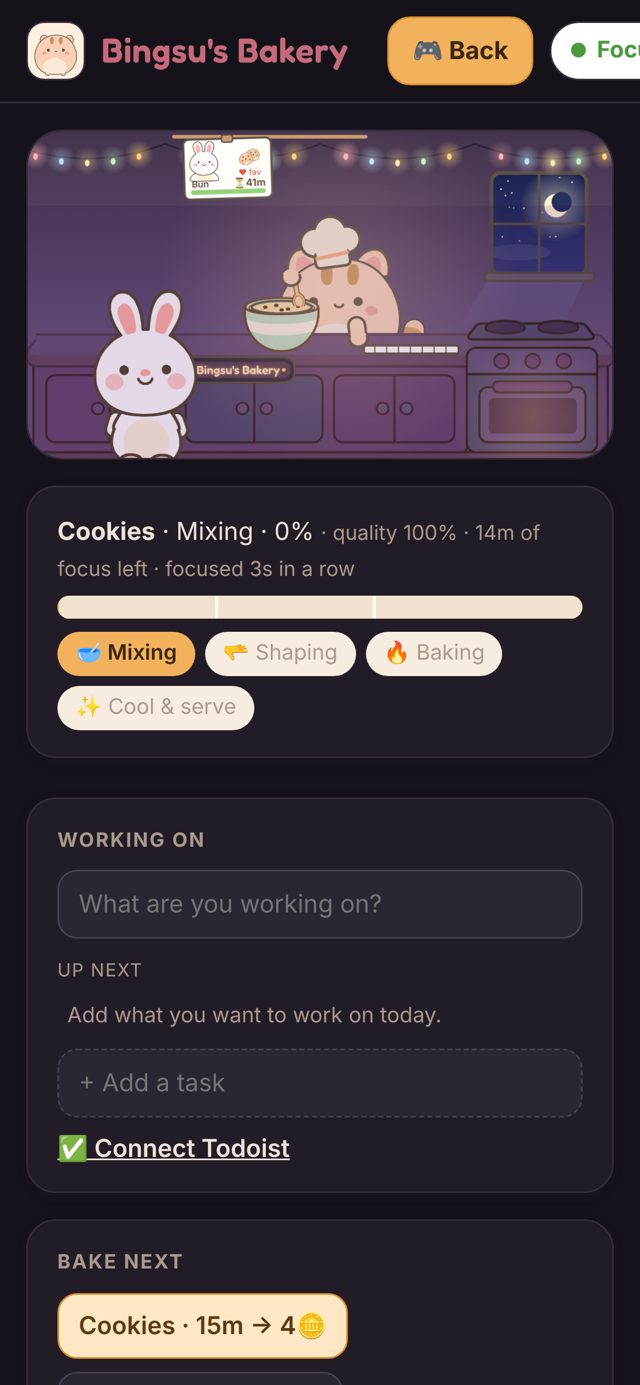
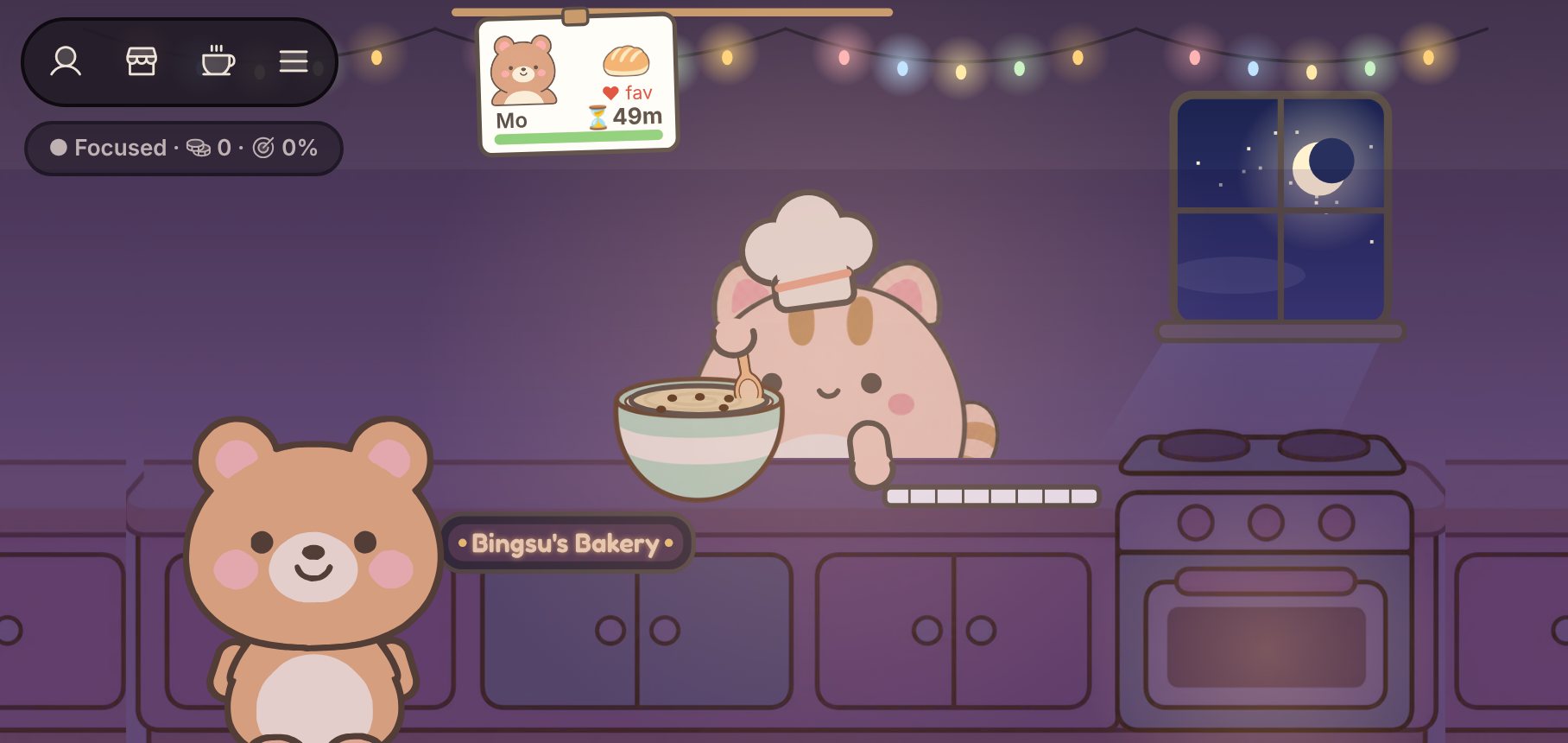
The game on a phone turned sideways at night: Bingsu mixing cookie dough in the plum kitchen while Mo the bear waits for his favorite bake, with a Focused status in the corner.

Phone

A full-screen bakery window for your desk.

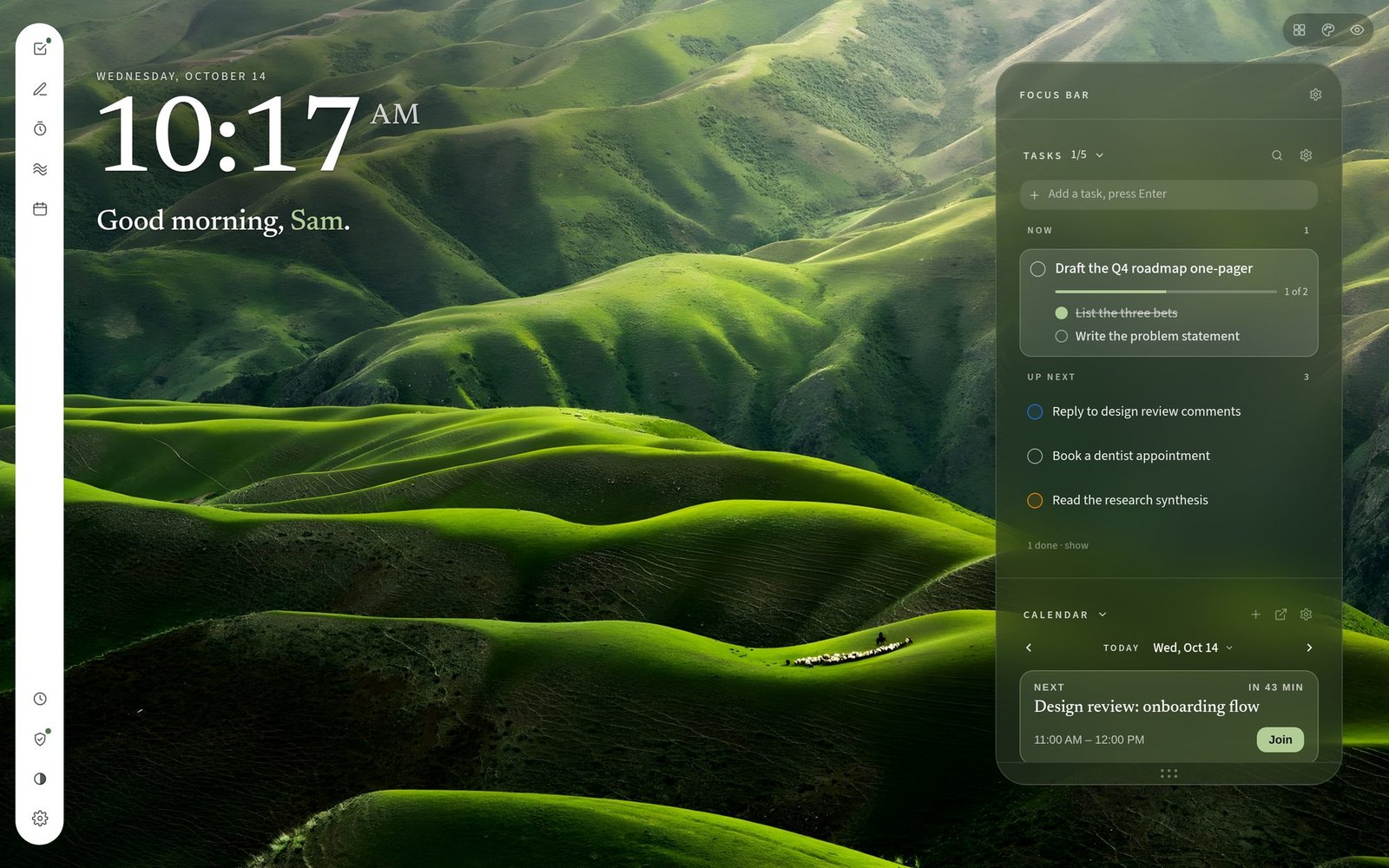
It mirrors your computer and shows your current task, pulled from Todoist through a proper sign-in. The idea was always a little character beside me, not inside the screen I’m working on.

05

The art

Four attempts at the same character.

The hardest and most instructive part of the project was the customers.

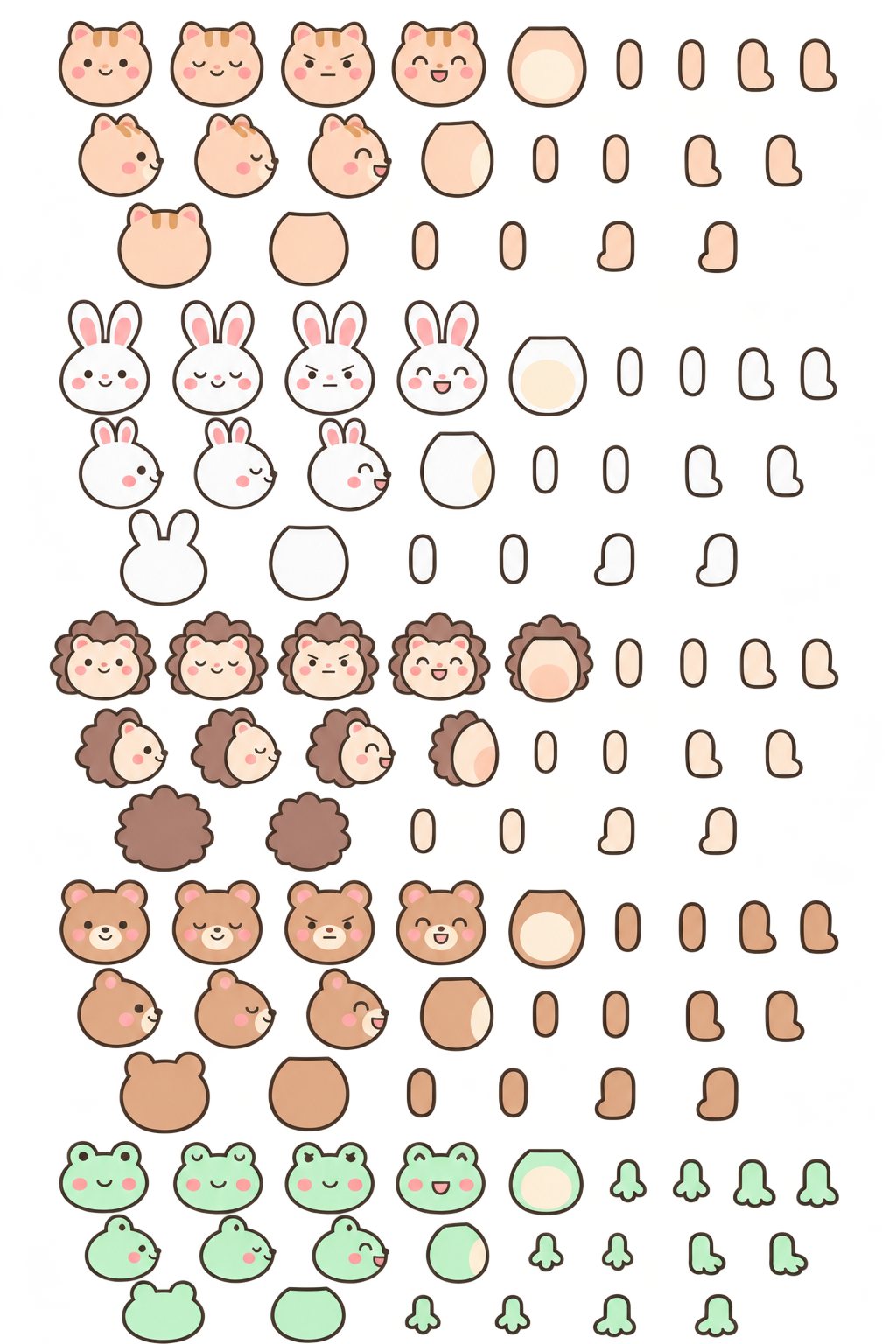
A sheet of separate heads, bodies and limbs for the cat, bunny, hedgehog, bear and frog.
Attempt 1

AI parts sheets, cut apart in code

I asked ChatGPT for character sheets with separate heads, bodies and limbs, and wrote a tool to cut them out and puppet them. It worked, but the result looked stuck-on: arms with outlines across the shoulder, uneven line weights, halos from soft edges, low resolution. Each fix revealed another seam.

Stuck-on
Attempt 2

One picture that bends

Next I deformed a whole image with a mesh, the way Live2D works. It was technically smoother, but it didn’t look better, and I said so.

Smoother, not better
Attempt 3

Drawn entirely in code

A koi pond prototype (fish built from curves, swimming and chasing coins) showed how alive code-drawn shapes can feel. I tried drawing the customers the same way. They animated beautifully but lost the charm of the original art. The proportions were “close” rather than right.

Alive, but “close”
The traced characters in the game: Mo the bear cheering while Bingsu holds a tray of cookies.
Attempt 4

Traced from my own lineup

I traced my chosen character lineup into vector paths, split each character along its outlines into head, body, arms, feet, tail and tufts, filled in the parts hidden behind other parts, and animated those pieces in code. The result is my exact drawing: same curves, colours and line weight, crisp at any size, with springy ears and tails, squash-and-stretch, blinking, giggling when you tap them, and waddling in to order.

My exact drawing

The medium matters less than the source. Hand the machine the exact look you want and let it handle motion, not taste.

Four pipelines taught me to fix the input, the art I wanted, rather than keep patching the output.

06

Atmosphere

Small things did a lot of the emotional work.

I asked for a real evening scene, not a dark overlay. Drag across the kitchen to see it.

The kitchen by day: cream walls, pastel cupboards. The same kitchen at night, recoloured in dusky plum, with a moonlit window and string lights. DayNight

Night mode

The kitchen is recoloured in dusky plum, with a moonlit window, twinkling string lights and warm lamplight around Bingsu.

Sound and music

A soft chime for finished bakes, a giggle when you tap a friend, and an original, gentle waltz composed in code, Ghibli-adjacent in mood, quiet enough to work to.

Morning Waltz · played live, no audio files

The break room

When you step away, the bakery closes. You can still pet Bingsu (hearts float up) or have a friend visit for a story.

07

Making it feel like a game

Not a dashboard.

Midway through, the app had grown a sidebar full of testing tools, toggles and labels. I did an information-architecture pass.

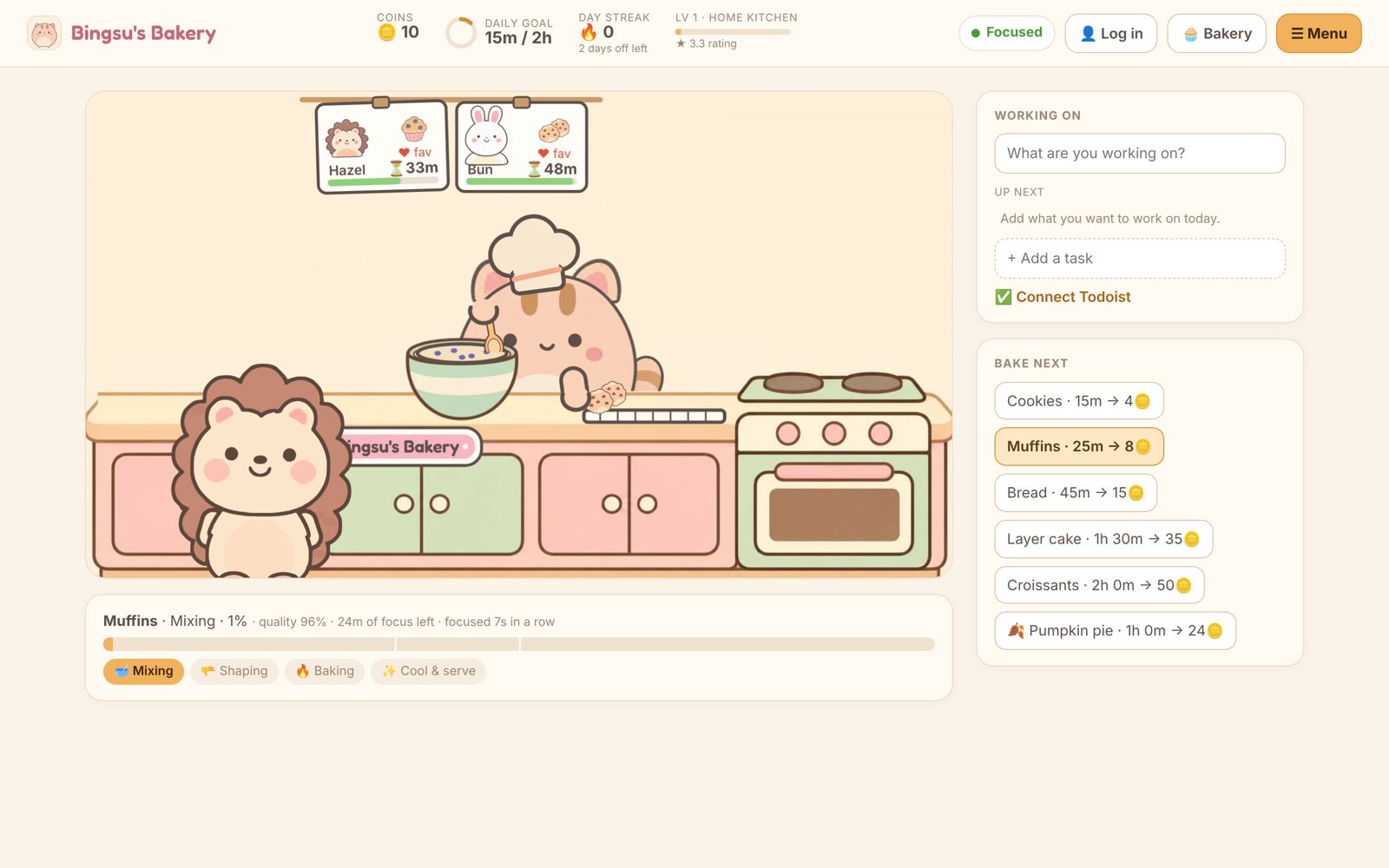
The full game on desktop: a slim top bar with coins, goal, streak and level; the kitchen; the current bake; and a side panel with Working on and Bake next.
  • The top bar keeps only four things.Coins, goal, streak and level.
  • One ☰ Menugroups everything else into Your bakery, Focus and Settings.
  • A hidden Simulatorcan skip ahead “45 focused minutes” or trigger a customer, break or goal. Testing went from minutes to seconds.

Onboarding

Five steps for new visitors.

Connecting your computer ticks over live when the tracker reports.

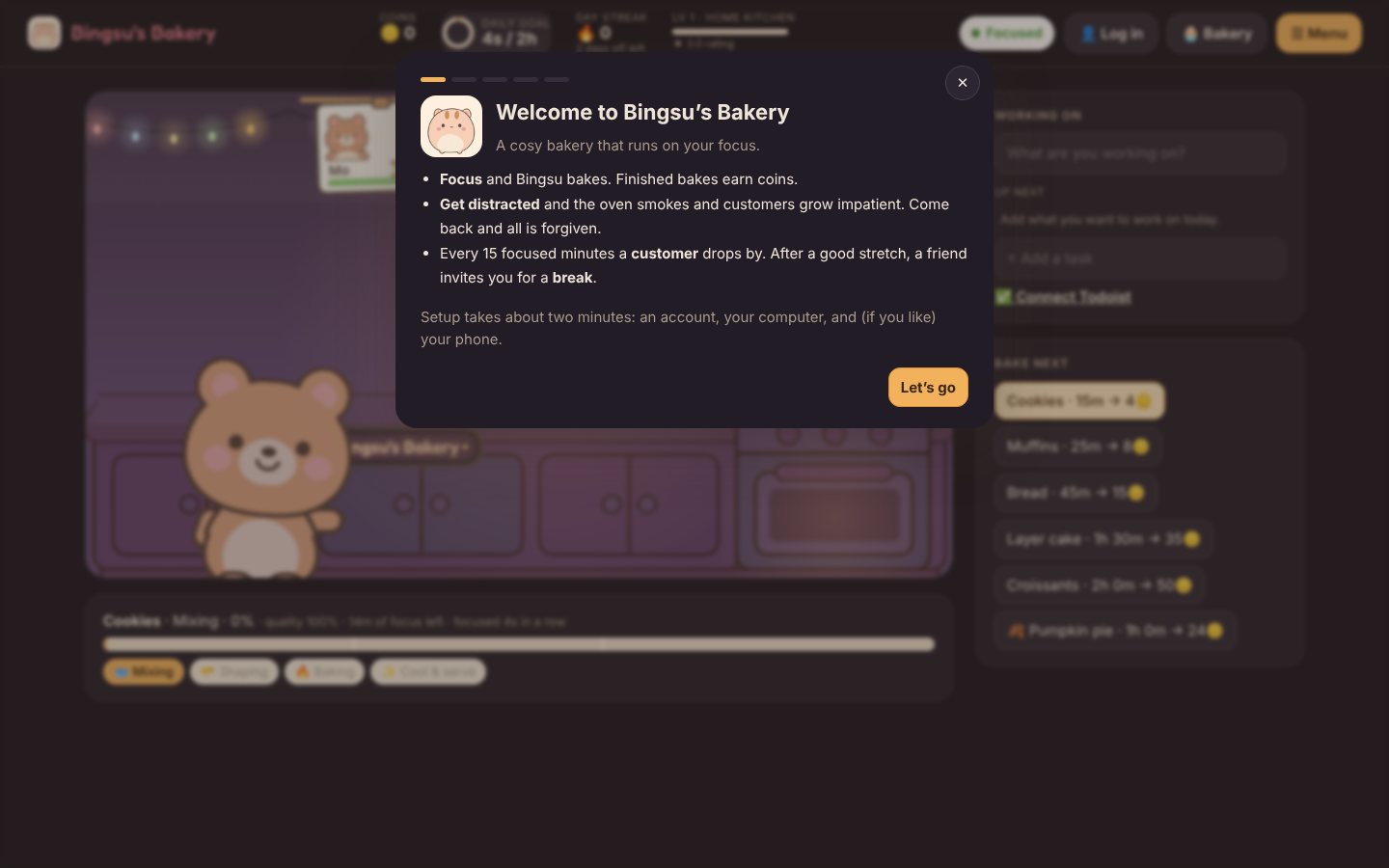
WelcomeAccountConnect your computerPhoneYour first day’s goal and task
The welcome step: “Welcome to Bingsu’s Bakery, a cosy bakery that runs on your focus”, with three bullets and a Let’s go button.

08

Under the hood

Small, and always up to date.

Every push to the repository goes live, and open copies of the app update themselves.

The game

One HTML page: canvas rendering, no framework, no build step.

The server

A Cloudflare Worker serves the site, with Durable Objects for the device relay and accounts (hashed passwords, synced saves).

Sign-ins

Todoist sign-in, and a private sign-ups dashboard for me.

Native tracker

The Windows app is written in Go and self-updates.

09

What I learned

Rewarding the return beats punishing the slip.

  • Reward the return.The most motivating moment in the game is coming back.
  • Let the work set the clock.Customers arriving because you focused feels earned in a way a countdown never did.
  • Say no to mechanics that break the mood,even fun ones.
  • Iterate on the source, not just the output.Four art pipelines taught me to fix the input (the art I wanted) rather than keep patching the output.
  • An AI collaborator is fast but not autopilot.The best results came from short loops of “build it, show me, here’s what feels wrong”, and from me holding the line on taste.

What’s next

  • Moving existing players’ progress to the new home.
  • More friends and seasonal bakes.
  • A dedicated desk device (an old tablet or a Pi with a touchscreen) as the “bakery window”.
  • A landing page in the editorial style that inspired the koi pond.

Next case study · Ritual

A small ritual for every new tab.

Read the case study